
Nine ways to manage fuel and transport costs
19 September 2025 · Debt Review Centre
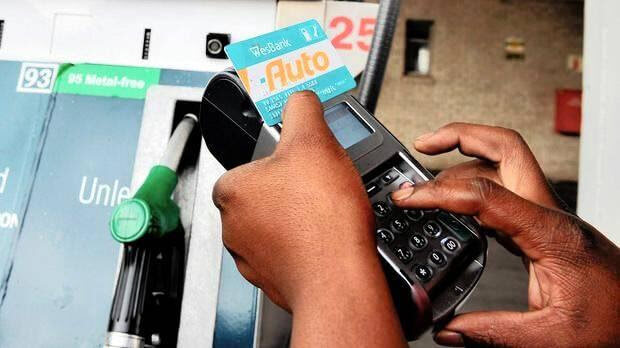
Fuel is one part of your transport budget. These nine checks can help you understand what you spend and look for savings without taking on a new vehicle loan or relying on a promised percentage reduction.
1. Record what you spend
Keep fuel receipts or use your bank statements to total a typical month’s fuel spending. Include trips for work, school, shopping and other regular commitments.
2. Track distance as well as rand amounts
Record the distance travelled between fills. This helps you see whether a higher bill reflects a price change, more driving or a pattern worth discussing with your mechanic.
3. Combine trips where practical
List errands before leaving home and see which can be completed on the same journey. Avoid making a special trip for a small discount that costs more in transport.
4. Compare the full cost of a route
Include tolls, parking and the time needed, as well as distance. The shortest route is not always the most practical for your household.
5. Check shared transport options
If public transport or sharing a lift is suitable, compare the actual fare or contribution with your current costs. Consider safety, reliability and the times you need to travel.
6. Follow the vehicle's maintenance guidance
Use the manufacturer’s guidance for servicing, tyres and fluids. Ask a qualified mechanic about unusual consumption rather than buying an additive or replacement part on a savings claim alone.
7. Review what you carry
Remove items you no longer need for daily travel. Keep required safety and emergency equipment in the vehicle.
8. Budget for more than fuel
Set aside money for predictable vehicle costs such as servicing, licensing, insurance and tyres where possible. A low fuel bill does not cover these other expenses.
9. Check affordability before changing vehicles
Compare the purchase price, finance cost, insurance and maintenance as well as fuel. A different vehicle can increase your overall monthly costs even if it uses less fuel.
Add the figures to your household budget, then use the affordability calculator to check what remains. If transport and other essentials leave too little for debt repayments, discuss the full budget with a counsellor.
Related questions and next steps
- Help with your household budget
Discuss the numbers if you need help putting a budget together.
- Build a household budget in five steps
List your income, spending and debts, then check the plan each month.
- Paying off debt yourself
Prepare a budget and choose a repayment order you can maintain.
- Household affordability
See what remains after living costs and debt payments.
See what your monthly payment could look like
Use the free calculator to enter your income, expenses, and debt payments. You will get an immediate estimate of your possible Debt Review payment and monthly savings. It is not an application.