

Is Debt Review worth it? Benefits and commitments
Published on 14 October 2025
Weigh Debt Review against fees, new-credit restrictions, repayment time and other options. Prepare questions before deciding to apply.
Read more →Find answers about Debt Review, Debt Counselling and managing your money. Start with the question that matters to you, then follow the guide to a practical next step.

Published on 14 October 2025
Weigh Debt Review against fees, new-credit restrictions, repayment time and other options. Prepare questions before deciding to apply.
Read more →
Published on 9 October 2025
Understanding how your marriage contract impacts your debt is crucial, especially when entering Debt Review. Here's a simple guide to what's what.
Read more →
Published on 6 October 2025
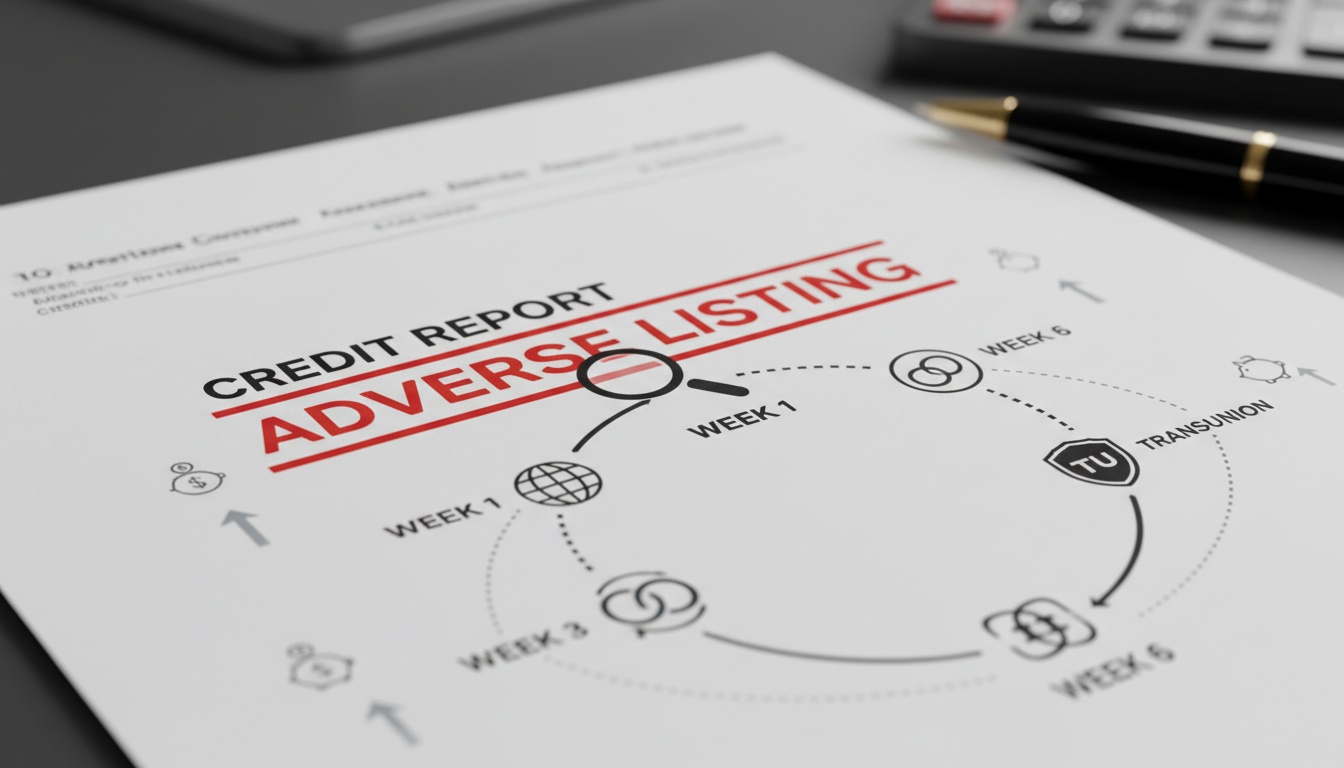
Wondering how long it takes for adverse listings to be removed from your credit profile after settling your debt? We break down the timeline, explain the NCR Debt…
Read more →

Published on 6 October 2025
Prepare your changed budget, supporting documents and payment dates. Know what to ask your counsellor about an emergency during Debt Review.
Read more →

Published on 5 October 2025
Worried that Debt Review might mess with your job? Let’s clear up the confusion and talk about what really happens when you go under Debt Review in South…
Read more →

Published on 2 October 2025
Understand clearance certificates, the home-loan exception and Debt Review removal warnings. Check your legal stage before paying for a removal service.
Read more →
Published on 19 September 2025
Creditors can sometimes extend credit to people who they know, can't afford to pay them back. This is of course irresponsible from their part and it always ends…
Read more →

Published on 19 September 2025
A historical explanation of the 2014 credit information amnesty, with links for readers checking completion and their current credit records.
Read more →

Published on 19 September 2025
Check NCR registration, written fees, payment arrangements and ongoing support before choosing a debt counsellor. Use our free assessment checklist.
Read more →

Published on 19 September 2025
See how interest can increase a balance while payments pause. Use a worked example and questions about the revised payment and total cost.
Read more →

Published on 19 September 2025
DRC Cares – Adelaide Drought Relief DRC Cares is a community assistance program we have established early 2018 which focuses on giving back to our community. We are…
Read more →
Published on 19 September 2025
This is a real-life scenario... In specific cases, your debt could be written-off. Mr. Laubscher had been diagnosed with Multiple Sclerosis. When we consulted with them during 2016,…
Read more →Check whether Debt Review fits your situation and compare the alternatives.
The income, expenses and commitments a counsellor needs to assess.
Weigh the benefits, restrictions and responsibilities before deciding.
Compare what each route involves and the questions to ask about cost.
Understand why these options need different assessments.
Read answers to common worries about the process.
Recognise the borrowing cycle and consider your next step.
Use the register, ask questions and compare the support offered.
Understand a quote and the difference between a lower payment and a lower total cost.
Know which charges to ask about before accepting a quote.
Understand how interest affects repayments and what to discuss with a counsellor.
See why postponing a payment can change the amount you repay.
Understand collection stages, your responsibilities and when to ask for help.
Understand notices, summonses and later collection stages.
Read about repossession, voluntary surrender and the documents involved.
Understand why the stage of an account matters when asking for help.
Read about creditor conduct and your responsibilities under a plan.
Understand the steps to discuss when legal action is a concern.
Learn about the legal documents involved in debt collection.
Read about the assessment of lending and a case described by DRC.
Understand the commitment before guaranteeing another person’s debt.
A historical article about changes to credit legislation.
Find guidance on payment problems, emergencies, work and family circumstances.
Understand credit restrictions, emergency needs and borrowing after clearance.
Prepare an action plan for an unexpected shortfall.
What to prepare and discuss when your circumstances change.
Understand why a missed payment needs attention before you skip it.
Start with your budget, documents and conversations with creditors.
Read about employment questions to discuss before applying.
Prepare questions about household finances and your marriage contract.
Understand the repayment term, clearance and the next steps for your credit record.
Find out why your legal stage and supporting documents matter.
Understand what can change the length of a repayment plan.
Read about checking your record after completing the process.
A historical explanation of credit information amnesty.
Plan household spending, compare repayment methods and prepare for unexpected costs.
List your income, spending and debts, then check the plan each month.
Prepare a budget and choose a repayment order you can maintain.
Set aside ordinary expenses before deciding what to spend on celebrations.
Use everyday decisions to practise spending and saving.
Consider your own liability before taking credit for friends or family.
Consider transport costs as part of your household budget.
Read client accounts and company news in their original context.
Read the circumstances and repayment figures described in this case.
Read the account-by-account rates and figures described by DRC.
Read this individual account in its original circumstances.
Company news about a community assistance project.
Choose the tool that answers your question. The figures are estimates; they do not decide whether you qualify for Debt Review.
Check your budget and an illustrative payment before fees.
See what remains after living costs and debt payments.
Compare debt repayments with monthly income.
Compare paying the highest interest rate first with minimums only.
Explore how interest, payments and term affect repayment cost.
Work out a savings target based on essential spending.
Check a planned purchase against the money left in your month.
Compare the value of your assets with the debts you owe.
Explore your household finances with an educational score.
Explore credit behaviours without running a credit check.
Identify questions to discuss about an older debt.
Choosing between different approaches? Compare debt relief options.